
Evidence that Skinvive improves cheek skin smoothness is not the same as evidence that it restores volume in hollow cheeks. We distinguish the product’s intended use and the changes evaluated, rather than relying on the ingredient name, hyaluronic acid. But calling Skinvive “not a filler” is not accurate either.
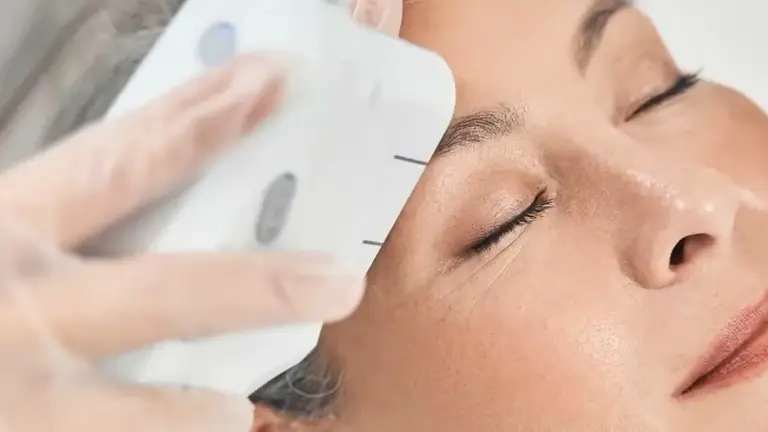
Filler classification does not mean volume replacement
The U.S. Food and Drug Administration (FDA) describes Skinvive as a hyaluronic acid gel implant or dermal filler. Its 2023 approval specifies injection into the dermis, a layer of the skin, to improve cheek skin smoothness in adults aged 22 and older.
The clinical results presented by the FDA also concern improvements in cheek skin smoothness. Those results do not, on their own, establish that Skinvive fills hollow cheeks. Its purpose should be distinguished from cheek volume augmentation described in the FDA’s general guidance on dermal fillers.
These are U.S. approval details, not a statement of the approved indication in South Korea. If you are considering treatment, first clarify whether you want to address cheek hollowing or rough surface texture. If hollowing is your concern, an explanation of skin texture improvement alone is not enough to guide the choice.
Skin texture treatment still carries injection risks
Our Gangnam branch’s official Skinvive information notes that bruising and swelling may occur. Recovery time varies from person to person.
The FDA’s Skinvive patient labeling lists the following as contraindications:
- Severe allergies with a history of anaphylaxis, a severe allergic reaction.
- A history of multiple severe allergies.
- An allergy to lidocaine or proteins from gram-positive bacteria.
- A previous allergic reaction to a hyaluronic acid filler.
Tell the medical team before treatment if any of these apply to you.
The FDA also warns that accidental injection into a blood vessel can cause serious complications, including tissue death, vision problems including blindness, and stroke.
When to seek immediate medical attention
According to the FDA’s patient labeling, seek immediate medical attention if you experience any of the following during or shortly after injection:
- Unusual pain.
- Skin at the injection site turning white, gray, or blue.
- Changes in vision.
We keep skin texture and volume goals separate when explaining this choice. Before deciding, identify the change you want and discuss your allergy history and the risks of injection treatment with the medical team.



댓글 (0)
댓글 작성
댓글을 작성하려면 로그인이 필요합니다.
로그인하기