Three paths open if a procedure goes wrong in Seoul: our clinic's direct response, Korea's mediation agency, and required liability insurance.
If a procedure at our Seocho clinic leads to an unexpected reaction, three channels are open to you: telling us directly through the same consultation channel you booked with, applying to Korea's Medical Dispute Mediation and Arbitration Agency, and drawing on the liability insurance that clinics registered to treat international patients are required to hold. All three are worth checking before you book.
The question patients actually ask is rarely "can I get compensated." It is closer to "which door is open, and who opens it." For anyone flying in for a short stay, that distinction matters more than it does for someone who lives ten minutes from the clinic and can simply walk back in. Below is how each path works, and what to ask about each one before you confirm a booking with us.
Three Paths, and What to Ask Before You Book
Path
Who opens it
What to ask before booking
Direct response from the clinic that treated you
You and the clinic
Does the consultation channel stay open after you fly home? Which days can you come back for a follow-up visit? Is the exact procedure, product, and dose recorded?
Mediation or arbitration through Korea's dispute agency
You or the medical institution files the request
Can you get a copy of your medical record?
Liability insurance required of registered clinics
Required by the registration system itself
Is the clinic registered to attract international patients? Does it carry medical accident liability insurance?
The First Path Is Us
The first door most patients reach is the clinic that performed the procedure. We take bookings through KakaoTalk, LINE, and WeChat, and we answer follow-up questions on the same channel after you have flown home. A Korean phone number is not required. LINE or WeChat reaches us directly. We see patients Monday through Friday from 10:00 to 20:00 (last check-in 18:30) and on weekends from 10:00 to 18:00 (last check-in 16:30), so a follow-up visit does not have to wait until Monday.
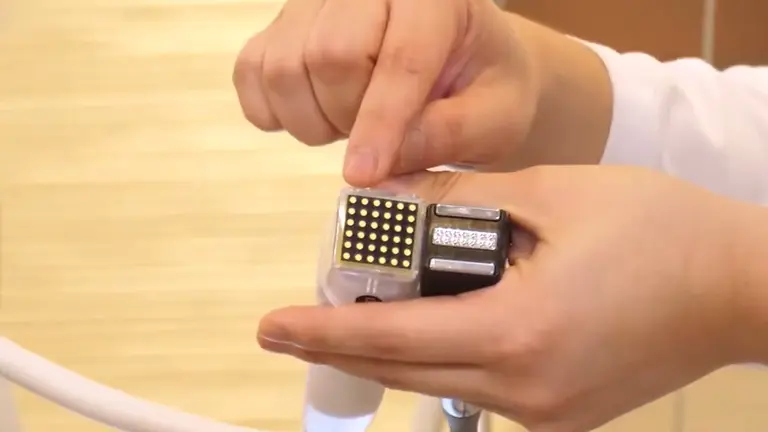
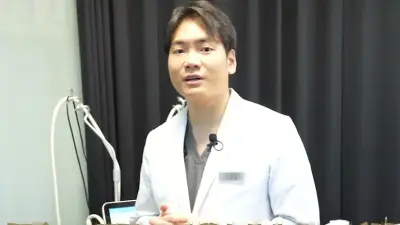
Dr. Kim Kyung-soo, our director, is the sole physician listed on the Seocho clinic's medical staff page. He is a graduate of Seoul National University's College of Medicine and holds medical licenses in both Korea and Japan, which is worth mentioning here because verifiable credentials are exactly what this whole question of accountability rests on. We open every device, injection, and product in front of the patient before the procedure begins, because knowing what you received is the starting point for any conversation that follows. Japanese, Chinese, and English interpreting staff are on site, so explanations and record reviews happen in your own language rather than through guesswork afterward.
Beyond the clinic itself, two channels exist because Korean law requires them of any registered clinic.
The Korea Medical Dispute Mediation and Arbitration Agency is the country's dedicated mediation and arbitration body for medical accidents. According to guidance published by the Ministry of Health and Welfare, the law establishing this system applies to non-Korean patients the same way it applies to Korean nationals, so a foreign patient's case is not treated as a special exception. Once a case is filed, the same guidance describes a two-stage clock: an appraisal panel has 60 days to send its findings to the mediation panel, and the mediation panel then has 90 days to reach a mediation decision. If both sides agree to the outcome, the settlement carries the same legal effect as a court-approved settlement. The agency's own guidance states that an application can be filed online, by mail, by fax, or in person, whichever is most practical for the patient.
The second system-level path is a financial safeguard built into the registration system itself. Article 6 of the Act on Support for Overseas Expansion of Medical Services and Attraction of International Patients requires any clinic that wants to be registered to attract international patients to carry medical accident liability insurance or join a medical indemnity cooperative. The enforcement rule under that same law sets a minimum annual coverage amount of at least 100 million won for clinic-level medical institutions. We have not posted our own registration status and insurance coverage on a public page, so if this is what you need to confirm before booking, ask us directly through the consultation channel and we will answer plainly.
How to Report a Change After You Fly Home
If something feels wrong after you have returned home, send us the date the symptom started, the exact location on your body, and two or three photos taken under consistent lighting. That combination lets us assess the situation faster than a message that only says something feels off. Reactions that are commonly mentioned during aftercare guidance, such as redness, swelling, bruising, or a temporary change in sensation, vary a great deal from one person to the next, and recovery pace varies just as much. Pain that keeps building instead of easing, rising warmth at the site, or a visible asymmetry developing between the two sides are the signals worth reporting immediately rather than waiting to see if they settle on their own.
Access to your own record is a protected right, not a courtesy. Article 21 of the Medical Service Act entitles a patient to request to view or obtain a copy of their own medical record, and a medical institution cannot refuse that request without a justifiable reason. If you need to see a local doctor once you are home, that copy is the document your new doctor will actually want to see.
FAQ
Can a foreign patient apply for mediation, not just a Korean citizen?
Yes. Ministry of Health and Welfare guidance states that the law governing this mediation system applies to non-Korean patients on the same basis as Korean patients. According to the mediation agency's own guidance, an application can be submitted online, by mail, by fax, or in person, and the applicant pays a set filing fee.
Can I get a copy of my treatment record?
Article 21 of the Medical Service Act gives you the right to request to view or receive a copy of your own record. Let us know through the consultation channel ahead of your visit and we will have it ready.
Do I need an interpreter to reach you?
No. Japanese, Chinese, and English interpreting staff are based at our Seocho clinic. Tell us which language you prefer when you first message us, and we will respond in that language.
How many days should I keep watching for a reaction?
That depends on which procedure you had and how quickly your body typically recovers, so we go through it with you procedure by procedure during your visit. As a general rule, protect the treated area from sun exposure, keep it moisturized, and avoid saunas, hot springs, strenuous exercise, alcohol, and smoking for about a week afterward.
Can I come back for a follow-up on a weekend?
Yes. We see patients Saturday and Sunday from 10:00 to 18:00, with last check-in at 16:30. If your weekday schedule during your trip is tight, a weekend follow-up lets you close out your care before you fly home.



댓글 (0)
댓글 작성
댓글을 작성하려면 로그인이 필요합니다.
로그인하기