Operating-room CCTV rules in Korea cover general anesthesia, not laser or injection procedures done while a patient is awake. Here are the three things worth checking before booking: public credential records, a doctor's own published treatment footage, and how the consultation room is actually run.
Korea's mandatory operating-room CCTV law only covers procedures done under general anesthesia, where the patient cannot perceive what happens. It does not apply to laser or injection treatments done while a patient is awake. That makes it worth checking three things before you book: whether the doctor's credentials are on public record, whether that doctor's own treatment work is documented publicly, and how the individual consultation room is actually run.
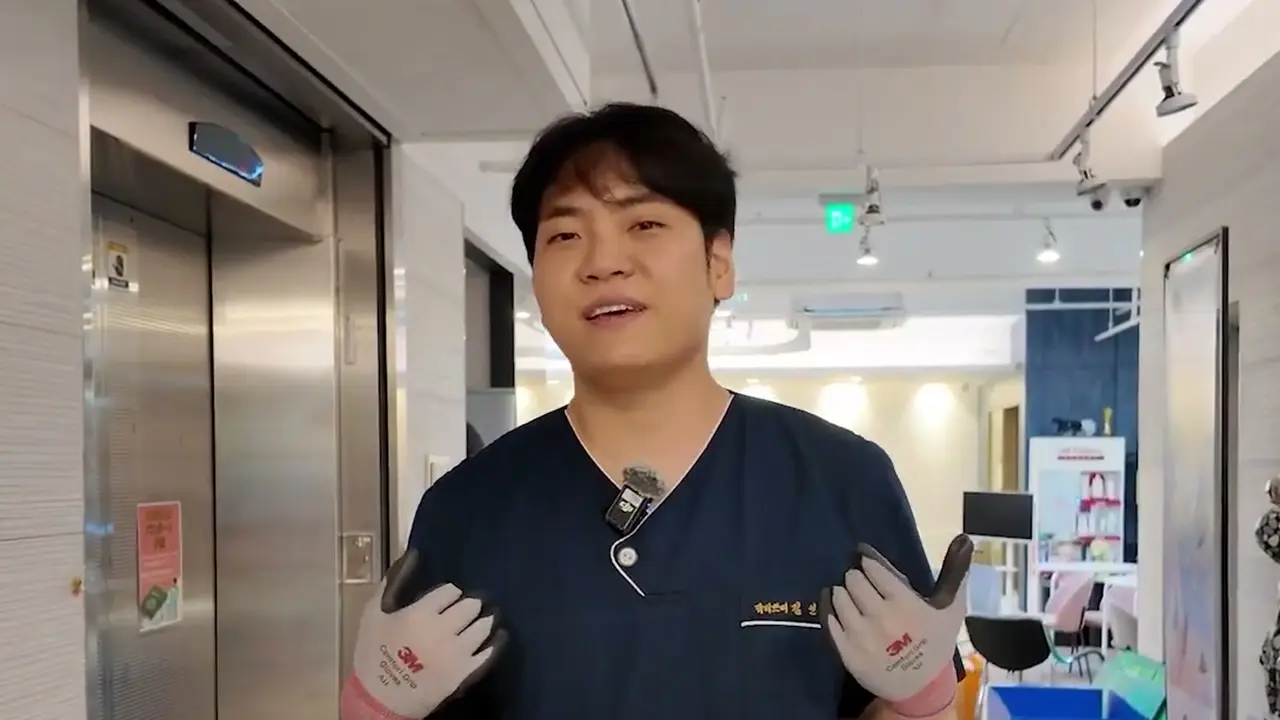
I am Dr. Kim Yeonjin, director of UH CELL Clinic's Gangnam branch.
Patients traveling from abroad ask me a version of this question often: what if the doctor I consult with is not the one who actually performs my treatment? Korea's operating-room CCTV system addresses part of this concern, but not all of it. According to the Ministry of Health and Welfare's press release on the policy, the recording requirement applies to surgeries performed in an operating room under conditions such as general anesthesia, where the patient is not aware of what is happening. Aesthetic procedures done while the patient is awake and alert fall outside that scope. So the verification has to happen earlier, at the point of booking, and the patient has to do it directly.
Are the credentials backed by a public record?
A phrase like "20 years of experience" cannot be checked against anything. What can be checked are records issued by a third party: where a doctor studied, where they trained, and what manufacturer-recognized credentials they hold. I completed graduate study at Seoul National University, trained as a resident at Seoul National University Hospital, and currently hold status as an Allergan faculty member and as a Potenza and Ultherapy Z Key Doctor.
Is there a public record of the doctor's own treatment work?
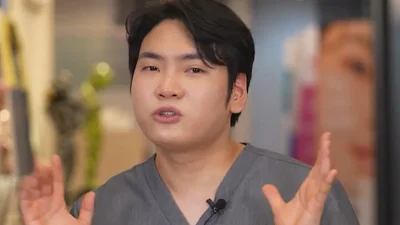
I run a beauty channel with roughly 100,000 subscribers where I show treatment process and the reasoning behind clinical decisions. When a doctor's face, hands, and way of explaining a procedure accumulate as public record over time, a patient has something to compare against what they actually see in the room.
How is the consultation room itself run?
In a structure where a consultation coordinator decides the treatment plan and the doctor's role is limited to performing the injection, the doctor assigned to a patient can change easily. At the Gangnam branch, diagnosis, planning, and treatment happen in the same individual consultation room, in one continuous flow. Because depth and injection intervals need to be adjusted based on skin thickness and prior treatment history, having the same person diagnose and treat tends to produce a better-matched result.
FAQ
Does meeting the director mean the director performs the treatment?
Not necessarily. At some clinics, the director handles only the consultation while a different provider performs the treatment. When booking, it is worth confirming this directly by asking whether the doctor you consult with is the same one who will perform the procedure.
Where do short-stay patients recover after treatment?
The Gangnam branch is located on the second floor of UH FLAT SIGNATURE Gangnam. Guests staying at the UHC hotel can choose one complimentary option, either a 30-minute oxygen chamber session or a vitamin IV drip; if a guest uses both, the vitamin IV drip is 55,000 won.
Can I get an explanation if my Korean is limited?
The Gangnam branch has staff on site who can interpret in Japanese, Chinese, and English. Pre-treatment explanations and the consent process can also be handled through the same interpretation support.
Individual skin response and recovery time vary. For an accurate diagnosis and treatment plan, please consult with a physician directly.

댓글 (0)
댓글 작성
댓글을 작성하려면 로그인이 필요합니다.
로그인하기