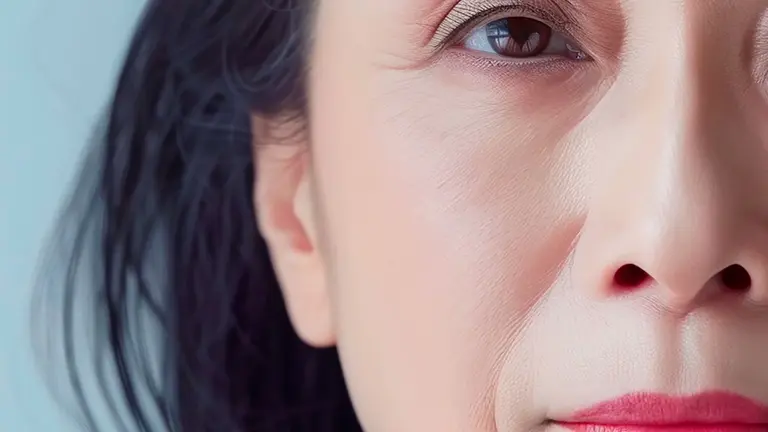
Dullness sits in the epidermis; sagging sits in the dermis and SMAS. We sequence longer-recovery treatments first, then add toning after, at our Seocho clinic.
Treating Dullness and Sagging in the Right Order
Dullness and sagging come from different layers of the same face. Dullness tracks epidermal turnover, pigment, and hydration, so toning and skin boosters are the usual candidates. Sagging tracks dermal collagen and the SMAS layer beneath it, so ultrasound and radiofrequency lifting are the candidates instead. When both concerns arrive together, we place the longer-recovery treatment first, let it settle, and add tone work afterward.
We hear a version of the same question in almost every consultation with a patient in their forties: is lifting or peeling the better starting point? Before we answer that, we ask which concern is actually leading, and how deep each one sits. A 2025 systematic review published in the journal Cosmetics found that collagen homeostasis breaks down with age, weakening dermal structure over time. Epidermal turnover slowing down and pigment distribution shifting are separate processes that run on their own timeline, so treating one does not resolve the other.
Different Layers Call for Different Candidates
Concern
Layer involved
Candidate treatments at our Seocho clinic
Recovery pattern
Example list price
Dullness, uneven tone
Epidermis, keratin and melanin
Pico toning, pico fractional
Short, some settling needed after irritation
Pico toning, one session: KRW 80,000
Dryness, tightness
Upper dermis hydration
Rejuran, Juvelook Skin, skin booster injections
A few days of injection marks and mild swelling
Rejuran Healer 2cc: KRW 290,000
Sagging, loss of firmness
Dermal collagen, SMAS
Sofwave, OligioX, Ultherapy, Thermage, Onda
Redness and swelling upfront; change appears gradually
Example prices are current list prices as of September 6, 2026, and vary by treatment area and shot count, with individual variation in outcomes.
Why Peeling Alone Rarely Reaches the Sagging Layer
Chemical peels have a well-defined reach. Peel technique references and a 2019 review published in a US dermatology journal describe superficial peels as staying within the epidermis, while medium-depth peels extend damage through the full epidermis and into the papillary dermis. The reticular dermis and SMAS layer, where firmness is built, sit below that reach entirely.
Heat-based lifting devices are built to target that deeper layer directly. Sofwave Medical describes its SUPERB ultrasound technology as coagulating collagen and elastin fibers before triggering a regenerative response, and a histologic study published in the Journal of Cosmetic Dermatology reported that this device preserves the epidermis while creating a thermal zone in the mid-dermis at a depth of roughly 1 to 2mm. Merz, the manufacturer of Ulthera, states that its device delivers energy at a choice of 1.5, 3.0, or 4.5mm, with the deepest setting reaching the SMAS layer. Two devices that are both described as ultrasound can still be aimed at different layers, which is one reason device selection is a consultation-stage decision rather than a fixed default.
Two Scheduling Situations We See Most Often
When a patient has four weeks or more before returning home, we place the longer-recovery treatment first. Heat-based lifting or fractional laser goes at the front of the plan, and once redness and swelling have settled, we layer in tone work and skin boosters. A review covering microfocused ultrasound's collagen response describes new collagen forming over a remodeling period rather than appearing immediately after treatment, which is part of why we do not stack an epidermis-irritating treatment on top of a still-settling dermal one.
When the window is two weeks or less, we sometimes reverse that order. Lower-irritation tone and hydration treatments come first, and lifting treatments that need real recovery time get scheduled for a later visit instead of being compressed into a short trip.
How a Visit at Our Seocho Clinic Works
At the first visit, our EVE TEST skin diagnostic (currently priced at KRW 10,000) checks whether pigment, hydration, or firmness is the leading concern, and Dr. Kim Kyung-soo, our director, follows the case from consultation through treatment. He is a graduate of Seoul National University College of Medicine and holds medical licenses in both Korea and Japan. Devices and injectable materials are opened in front of the patient immediately before treatment. Our Seocho clinic is open weekdays from 10 a.m. to 8 p.m. and weekends from 10 a.m. to 6 p.m. with no midday closure, which makes it workable to schedule a follow-up visit after work hours or on a weekend. Japanese, Chinese, and English-speaking staff are on site, and we recommend booking two to three days ahead through our KakaoTalk, LINE, or WeChat consultation channels.
Some combinations are workable depending on the area and intensity, and others are not advisable. We check whether the recovery responses would overlap before deciding, so this gets confirmed during consultation rather than assumed in advance.
Will skin boosters alone restore firmness?
Skin boosters target hydration and texture in the upper dermis. If the sagging is coming from the SMAS layer, that is a different target, so the change a patient can expect from a booster alone may not match what a deeper firmness concern needs.
Does the same sequencing logic apply to male patients?
The layer-first approach to sequencing stays the same. Sebum production and skin thickness differ, so intensity and spacing between sessions are adjusted after diagnosis rather than fixed in advance.
How often does maintenance treatment need to be repeated afterward?
This depends on the device, treatment area, and individual response. We review how a patient's skin has responded before setting the next appointment rather than committing to a fixed schedule upfront.

What should be avoided after treatment?
Sun protection and moisturizing are the baseline. We generally advise avoiding saunas, hot springs, intense exercise, alcohol, and smoking for about a week, and we go over any treatment-specific precautions in person before a patient leaves.
댓글 (0)
댓글 작성
댓글을 작성하려면 로그인이 필요합니다.
로그인하기