A consultation's first five minutes reveal its purpose. Our Seocho clinic director explains the four signs that a skin clinic diagnoses before it sells.
TL;DR: A consultation shows its priorities in the first five minutes. If a device name or a package price comes up before anyone looks at your skin, the conversation is built around selling. If someone checks your photos, your expression, your skin thickness, and your treatment history first, it is built around your case. Four things separate the two: whether you can leave without deciding, whether prices are itemized, whether what was used gets recorded, and whether your next visit starts from that record.
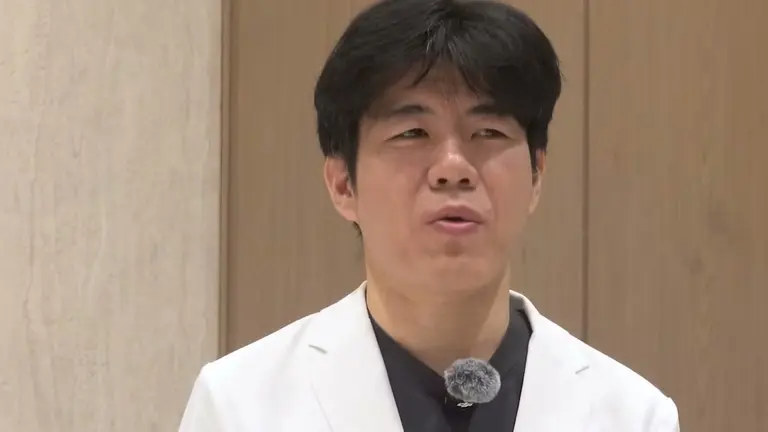
I am Dr. Kim Kyungsoo, director of our Seocho clinic. The question is some version of "what's the difference between a clinic that sells packages and one that diagnoses first?" The two do not separate on a sign or a brochure line. They separate in the order of the conversation, and most patients can tell which one they had by replaying the first five minutes.
What Gets Asked First Tells You the Most
A twenty-minute consultation can produce very different outcomes depending on the order of the questions inside it. The table below compares the two approaches across four points worth noticing on your own, whether during the visit or afterward.
What to check
Package-first consultation
Diagnosis-first consultation
Opening question
"Which procedure are you interested in?" or "Have you seen this month's promotion?"
"When did this start bothering you, and under what conditions?"
When price comes up
Before the problem is assessed, as a bundled total
After the layer and area are identified, itemized by treatment
When the decision happens
The conversation assumes same-day payment
Consultation and decision are separated
What gets recorded
A payment is logged, but the specifics of what, where, and how much fade
Product name, dose, area, and date go into the chart
A package makes sense in one clear situation: you have had the same treatment several times already, and this visit is about maintenance rather than a new problem. There, a predetermined bundle can be the more efficient option. Sequence is what matters. For a first visit, or when the cause of a concern has not been identified yet, hearing a total price first shifts the conversation from "what does my skin need" to "which bundle do I pick." Once that shift happens, it is hard to reverse in the same room.
The same complaint, "my cheek looks like it's drooping," can mean reduced dermal density, descended subcutaneous fat, or a fold fixed by habitual expression, and each of those points to a different layer of treatment.
What Gets Documented, and for How Long
A record carries the next visit forward instead of starting it over. If what was used last time, how many days swelling or redness took to settle, and how you responded to discomfort are already on file, this visit begins from "what should change from last time" rather than from a blank page. For patients visiting from outside Korea, this matters in a practical way: when your stay is short and your next visit is months away, a record is a far more reliable starting point than memory.
✅ CHECK POINT: Four Things to Look For
These are worth checking on your own, and you can ask them directly during the visit.
Can you leave today without deciding, and how does the conversation respond when you say you'd like to think about it?
Are prices listed by procedure, on a document or website, rather than only as a bundled total?
Does the product name, dose, area, and date used today go into a record you can request later?
Does your next visit start from that record, with a specific point to re-check, rather than "let's see and decide later"?
What an Itemized Price List Actually Changes
A posted price fixes the unit you compare against: the cost of one specific procedure, not a verdict on whether the clinic overall is expensive. In a conversation built entirely around a bundled total, it becomes difficult to reconstruct afterward what any single component cost. When prices are itemized by procedure, the plan from your consultation can be checked directly against what is posted.
Pricing changes over time, so we'd encourage checking the current figures on our site or through our consultation channel before your visit rather than relying on an older quote.
Preparing for Your Consultation
You do not need much prepared. The following covers most of what helps us design your plan efficiently:
Treatments from the past two years: product or device name, area, timing, and an approximate dose or shot count
How your skin responded at the time: how many days redness, swelling, or discomfort lasted, and anything that surprised you
Thread lift or filler history, including area and timing, even if you don't remember the product name
Any medication you're taking, and whether you bruise easily
Your priority for this visit: skin texture, sagging, or fine lines
The more accurate this history, the more precisely we can choose a layer and distribution for this treatment. If your memory is incomplete, telling us that plainly is better than presenting a guess as a certainty.
FAQ
Is it rude to come in for a consultation without planning to book a treatment?
No. A consultation exists to decide whether treatment makes sense, and deciding against it is a valid outcome.
What if I don't have records from a clinic I visited before?
A consultation is still possible with an approximate timing and area. Even without a product name, details like whether it was an injection or a laser, or how many days recovery took, help narrow down the treatment family. You can also request a copy of your medical record from a previous clinic.
Are packages always a bad sign?
No. If your goal and treatment area are already established and you return periodically for the same procedure, a set package can be easier to manage. The issue is sequence: when a bundle is decided before your specific need is assessed, you often end up paying for items you didn't need.
Can I book without a Korean phone number?
Yes.
Visit Our Seocho Clinic
Physician: Dr. Kim Kyungsoo, director (graduate of Seoul National University College of Medicine, licensed to practice in both Korea and Japan)
Address: 1F, Seocho-ro Ium Gisel (UH FLAT The Seocho Annex), 30 Banpo-daero 16-gil, Seocho-gu, Seoul
If anything feels off after a treatment, or your recovery isn't tracking as expected, reach out through our consultation channel rather than waiting it out. That's what the channel is there for.




댓글 (0)
댓글 작성
댓글을 작성하려면 로그인이 필요합니다.
로그인하기