A Korean dermatology clinic and a skin care salon work under two separate laws. Here's how to tell which one your treatment actually needs.
In Korea, a dermatology clinic and a skin care salon operate under two separate laws, and that legal line, not skill or price, decides what each one can do to your skin. If your goal is to change pigment, firmness, or wrinkles, you need a clinic. If you want to maintain a healthy surface between visits, a skin care salon is enough.
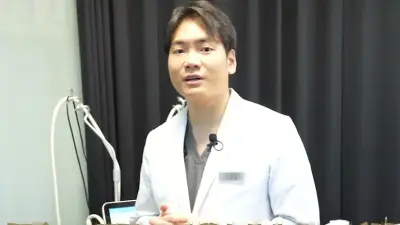
Hello, I'm Dr. Kim Kyungsoo, director of UH CELL Clinic Seocho.
A clinic is defined by which license a treatment requires: procedures that use medical devices or medication belong there, while surface-level skin care belongs in a salon. The two can look similar from outside: clean rooms, white coats, skincare products lined up on a shelf. The difference sits in what each one is legally allowed to put into your skin.
The Line Korean Law Draws
Two separate statutes cover this ground. The Medical Service Act governs medical institutions and prohibits unlicensed medical practice under Article 27, Section 1. The Public Sanitation Management Act governs the esthetics business. The same law's Article 4, Section 4(1) requires estheticians to limit their work to plain cosmetic or skin care service that involves no medical device or medicine.
Item
Medical clinic
Skin care salon
Governing law
Skin diagnosis and prescription
Yes
Skin condition analysis without medical devices or medicine
Medical Service Act / Public Sanitation Management Act
Cleansing, masks, massage, hair removal
Can be offered alongside treatment
Yes
Public Sanitation Management Act
The line moves only when a court or lawmaker moves it, and a recent case shows how narrow that movement can be. Korea's Supreme Court, sitting en banc, ruled in May 2026 that ordinary cosmetic tattooing performed by a non-medical practitioner does not amount to unlicensed medical practice under the old Article 27, Section 1, reversing a position the court had held since 1992. That ruling reclassified tattooing specifically. It left the boundary around lasers, radiofrequency, ultrasound, and injections exactly where it was, squarely inside medical practice.
Why the Same English Word Can Mean Two Different Things
Travel guides and clinic marketing in English often use "skin clinic," "dermatology," "esthetics," and "skin spa" almost interchangeably, and a search in English rarely surfaces the Korean regulatory split behind those words. In Korea, the split reflects two different licensing regimes, each with its own list of what the provider is allowed to do. A visitor booking based on an English listing alone can end up at a licensed esthetics studio expecting a laser session it is not permitted to offer, or at a clinic expecting a relaxing facial when the appointment is really a medical consultation. Confirming which category a business falls into, before booking, avoids that mismatch.
What You're Trying to Change: Structure or Condition
Pigment spots, sagging, and wrinkles start below the surface, in layers where color settles or where collagen is produced. Reaching that depth takes energy or medication delivered through a device or a drug, and both are restricted to medical institutions by definition. A skin care salon is built around a different job: smoothing texture, calming a dull complexion, and keeping the surface hydrated between medical visits. If flaky, rough texture is the complaint, a facial and moisture treatment fits the goal. If the complaint is pigment depth, elasticity, or a wrinkle that has already formed, the target sits below what a salon is licensed to reach.
Needles and Energy Mark the Boundary
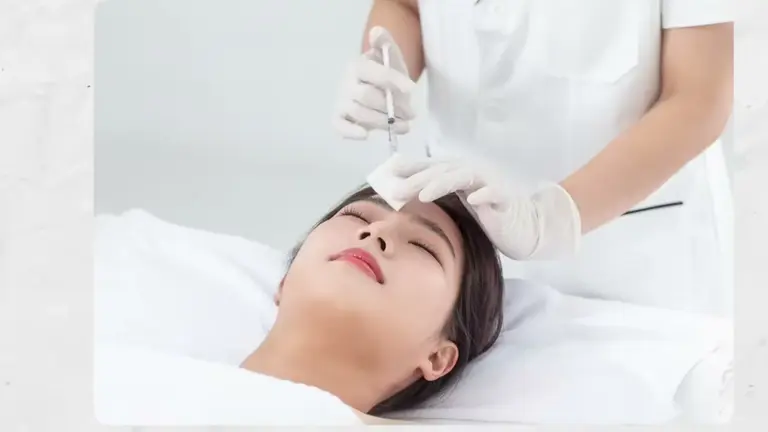
The moment a needle passes through skin, or radiofrequency, ultrasound, or laser energy is delivered into it, the service has crossed into medical territory. Burns, pigmentation changes, and infection are real risks at that point, and assessing and managing those risks is itself a medical act reserved for licensed professionals. This is also why a skin care salon cannot legally operate a device that penetrates or heats the skin, regardless of how the device is marketed on a menu or a storefront sign.
Who Documents What Happens If Something Goes Wrong
A medical institution keeps a medical record. For a patient staying in Seoul on a short trip, this matters in a practical way. Choosing a clinic where you can be seen again before you fly home gives you a place to return to if a reaction develops in the days after treatment, rather than a message sent to a clinic from another country with no one available to examine you in person.
Diagnosis Comes Before the Treatment List
The sequence matters as much as the setting. A consultation should establish what your skin actually needs before any treatment is chosen, not after. Picking items off a menu before that assessment tends to add procedures that were never necessary in the first place.
Using Both, in the Right Order
Getting a procedure at a clinic and maintaining results at a skin care salon afterward is a common and reasonable combination. Timing is what needs attention.
How We Sequence a Visit at Our Seocho Clinic
The purpose of the diagnosis is to identify what is actually needed, and a procedure the assessment does not support is not one we recommend.
FAQ
Where should international patients start?
If you're visiting Korea specifically for a procedure, we recommend starting with a diagnosis at a medical institution rather than an esthetics salon.
Can I book a consultation without committing to a procedure?



댓글 (0)
댓글 작성
댓글을 작성하려면 로그인이 필요합니다.
로그인하기