
Over-the-counter products for acne and post-acne marks are easy to access, but they are not interchangeable. The key point from the Korean aesthetic clinic doctor’s recommendation is to choose by active ingredient, not by brand familiarity. Esroban, Cebitabi, Noscarna and Melatoning Cream each target a different concern: antibacterial care, inflammation and brightening, scar management and pigmentation control.
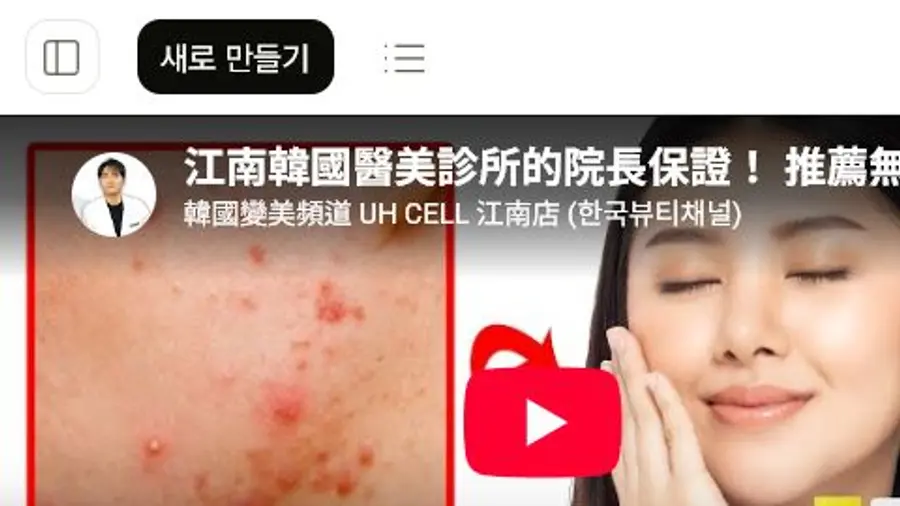
Before applying a product, it is important to identify whether the concern is bacterial inflammation, excess sebum, post-inflammatory marks or pigmentation. A well-matched product can help with local care, while the wrong choice may lead to irritation or worsening.
Ingredients come first when choosing pharmacy skin products
Pharmacy medicines and medical-device creams used in clinics play different roles. Pharmacy ointments are often concentrated products for targeted lesions, while medical-device lotions and creams are more suitable for broader moisturization and barrier support.
Esroban: targeted use for bacterial inflammation
Esroban contains mupirocin, an antibiotic ingredient used for bacterial skin conditions. It is better suited to red, pus-forming inflammatory lesions or folliculitis-like breakouts than to full-face application. Because the texture can be sticky, spot application with a cotton swab is more appropriate.
If a breakout is driven mainly by sebum without bacterial infection, Esroban may not be helpful. If the lesion worsens, spreads or becomes painful, the product should be stopped and professional guidance is needed.
Cebitabi and Noscarna: different roles after inflammation
Cebitabi centers on niacinamide, a vitamin B3 derivative associated with anti-inflammatory, anti-acne and brightening effects. Sensitive skin or a weakened barrier may react with irritation, so patch-style use on a small area is the safer starting point. Noscarna focuses more on post-acne scar and texture care, using heparin sodium, allantoin and dexpanthenol to support scar management and skin protection.
Melatoning Cream: use thinly for pigmentation
Melatoning Cream contains hydroquinone, an ingredient used to suppress melanin production and improve post-inflammatory pigmentation or dark spots. Even at a lower concentration, irritation is possible. Sensitive skin may benefit from applying moisturizer first and then using a small amount only on the target area.
Separate spot treatment from barrier care
Pharmacy ointments are useful for small, specific areas, but their concentration and small volume can make them unsuitable for full-face use. A practical routine separates roles: targeted pharmacy products for inflamed lesions, scars or pigmentation, and moisturizing barrier products for overall skin condition.
Official Website: https://uhcell.com/en
Book an Appointment: https://go.uhcell.com/reservation
Instagram: https://go.uhcell.com/en/instagram
Google Maps: https://go.uhcell.com/location


댓글 (0)
댓글 작성
댓글을 작성하려면 로그인이 필요합니다.
로그인하기