
Why Aftercare Decides How Long Lifting Results Last
I am Dr. Kim Yeon-jin, Chief Physician at UH CELL Clinic Gangnam. When patients ask why one person's lifting result held for a year and another's faded in three months, the answer is rarely the device. It is almost always what happened to the skin in the weeks after treatment, while new collagen was still forming and fragile.
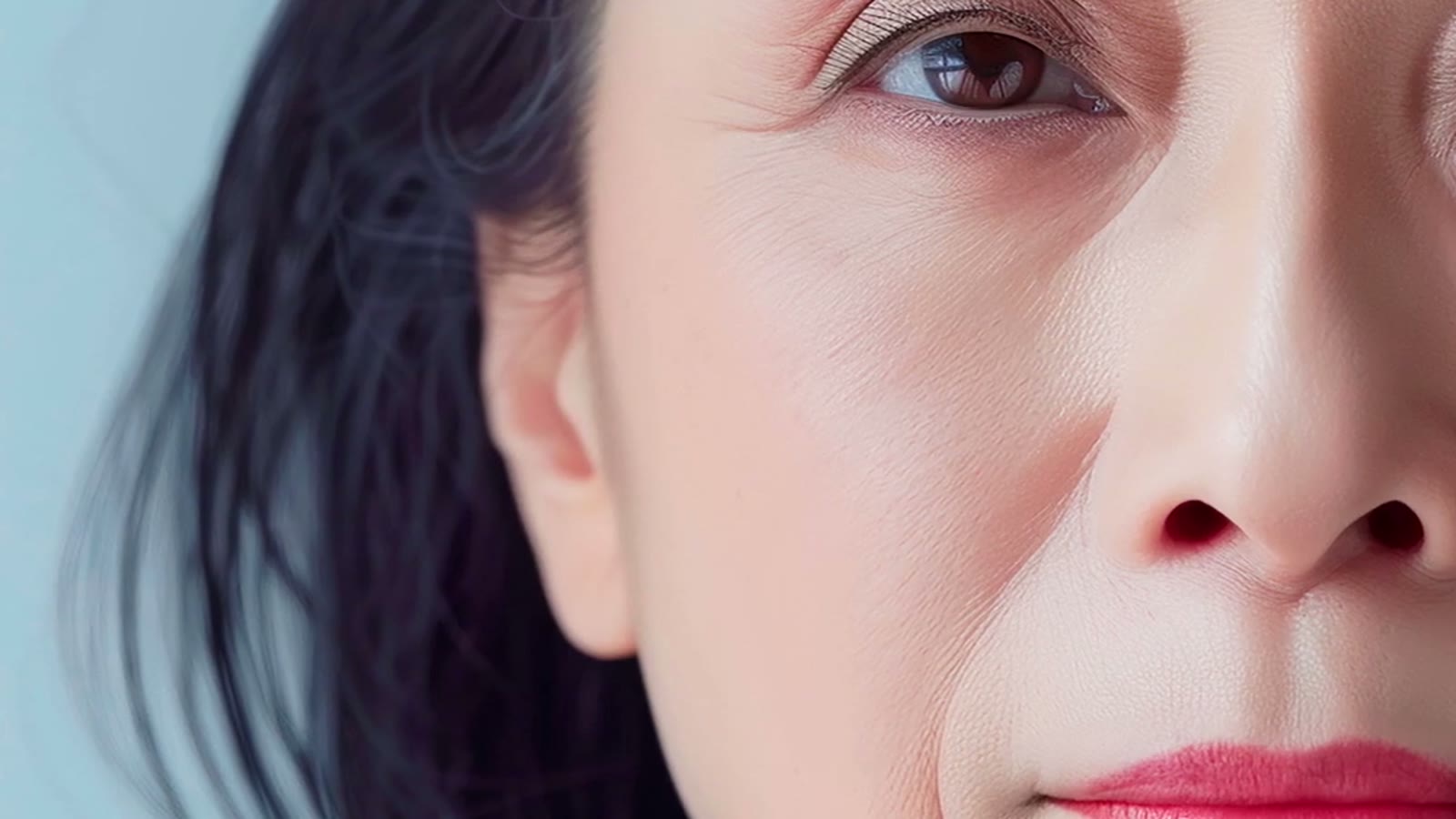
Why aftercare outweighs device choice
After an ultrasound or radiofrequency lifting session, the skin does not tighten immediately from the energy itself. The visible lift builds gradually as fibroblasts produce new collagen, with most patients noticing meaningful change within roughly eight to twelve weeks and continued improvement possible for several months after that, according to clinical summaries of skin-tightening timelines. The American Academy of Dermatology's guidance, cited in those same dermatology practice summaries, describes modest lifting and tightening appearing within two to six months after a single non-invasive treatment, with results that can extend for a year or more when skincare and sun habits support the healing skin.
That word — support — is where outcomes diverge. Collagen fibers laid down in the first weeks after treatment are not yet mature. Research on dermal remodeling shows that early collagen (Type III) begins appearing within two to four weeks and is gradually replaced by stronger, more durable Type I collagen over the following months. If that immature collagen is exposed to ultraviolet damage, harsh actives, or repeated irritation before it matures, it breaks down faster than it was built — the same mechanism by which years of unprotected sun exposure degrade collagen and cause visible aging in the first place.
What actually stresses healing skin
Different lifting technologies stress the skin differently in the first week. Ultrasound-based treatments can leave skin transiently drier and more reactive as the treated tissue settles. Radiofrequency-based treatments heat and denature dermal proteins, which is what triggers remodeling — but the same heat leaves skin more prone to dryness and sensitivity for several days. Clinical aftercare protocols for radiofrequency microneedling commonly direct patients to avoid retinoids, vitamin C, and high-strength acids on treated skin for about a week, and to avoid direct sun exposure for two to four weeks following the session, using daily SPF in the interim.
Frequency matters too. Aftercare guidance for RF-based treatments generally recommends spacing sessions four to six weeks apart; stacking sessions too close together, before the previous round of collagen has stabilized, can sensitize skin and provoke the kind of chronic irritation that undermines the collagen it was meant to build rather than reinforcing it.
How we structure recovery before the procedure, not after
We do not treat aftercare as an afterthought handed out on a printed sheet at checkout. Before we schedule a lifting procedure, we review skin thickness, sensitivity, and treatment history, then build the recovery plan across three layers alongside the procedure plan itself.
- Topical care: We simplify skincare to soothing, barrier-supporting products immediately after treatment, and hold off on exfoliants or high-concentration acids until the skin has stabilized.
- Internal support: We check whether a patient's diet or supplementation supports collagen cross-linking — vitamin C is a relevant cofactor here — and address any clear gaps during the remodeling window.
- Environmental factors: Daily sun protection is treated as the single most important habit during recovery, alongside sleep and alcohol intake. Significant weight change during this period can also affect the collagen framework that is still settling, so we flag that too.
For patients visiting Seoul on a short itinerary, following all three layers independently before flying home is often unrealistic. Our Gangnam and Seocho locations sit inside the same hotel building as the treatment rooms, so the days immediately after a procedure — when skin is most sensitive to sun and irritation — can be spent in the same building rather than commuting between a clinic and a separate hotel.
Checkpoints to watch after a lifting procedure
- Does redness or tightness at the treated area settle within a few days, or does it linger longer than expected
- Are you reapplying sunscreen every two to three hours, not just once in the morning
- Have you discussed the right time to resume exfoliants or strong actives with your treating physician, rather than restarting on your own schedule
- Are follow-up sessions spaced with enough recovery time in between, rather than scheduled back-to-back
FAQ
My lifting result seems to be fading faster than expected. Is the procedure at fault?
Often the cause is what happened during the recovery window rather than the procedure itself. Frequent sun exposure or restarting strong actives before the skin barrier recovered can cause newly formed collagen to break down faster than expected. If redness or sensitivity lasted longer than a few days, it is worth having your skin reassessed rather than assuming the treatment simply didn't work.
When can I go back to my regular skincare routine after a lifting procedure?
It depends on the product and the treatment method used. We generally recommend stabilizing with gentle, soothing products first, then reintroducing exfoliants or high-concentration actives gradually and only once the skin shows no ongoing irritation.
Does getting lifting treatments repeatedly increase how much aftercare I need?
It depends on how the sessions are spaced. Many treatment plans intentionally schedule sessions so that each round of collagen remodeling overlaps with the next, but every individual session still requires the same sun protection and calming care during its own recovery window.
If you want to see how we think about the recovery path before a lifting procedure even starts, our guide on what a free consultation actually covers at a Seoul skin clinic walks through how we plan a visit end to end, from diagnosis through the days after treatment.


댓글 (0)
댓글 작성
댓글을 작성하려면 로그인이 필요합니다.
로그인하기