
The condition of Korean skin is often discussed, but it cannot be explained by cosmetics or trending procedures alone. The video compares skin care culture in Korea and Japan, focusing on which institutions people choose when skin problems occur, when care begins, and how men and couples participate.
The main issue is how society understands skin care. In Korea, visiting a dermatology clinic first for acne, irritation, sagging, or other skin concerns is relatively common. In Japan, dermatology is more strongly associated with disease treatment, while beauty care is often separated into aesthetic salons.
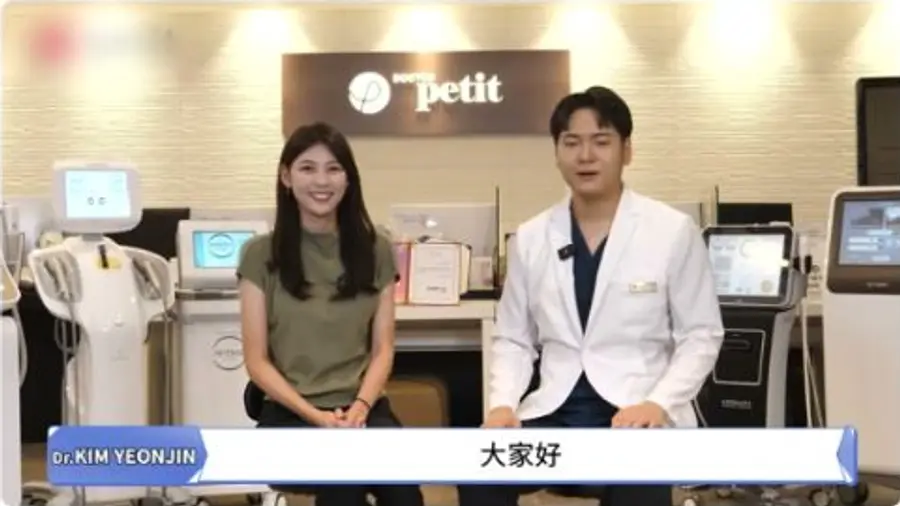
Korean dermatology clinics combine treatment and aesthetic care
According to the video, Koreans tend to visit hospitals, especially dermatology clinics, when skin problems arise. Conditions such as acne and dermatitis are treated there, but aesthetic concerns such as lifting, elasticity, pigmentation, and pores are also commonly discussed in the same setting.
Japan has a different structure. Skin diseases are treated by dermatologists, while aesthetic care is often handled by salons. This division can clarify choices, but it may also reduce access to medically based skin management.
The age at which care begins can shape long-term skin condition
In Korea, middle and high school students may visit dermatology clinics for acne or skin stress. The idea that appearance-related stress can affect concentration and confidence has helped normalize earlier skin care.
In Japan, students may be more likely to leave acne alone and begin more active skin care after entering university. For the same concern, early response can influence long-term skin condition.
Men’s skin care and couple visits show another cultural gap
Men’s skin care has become increasingly normalized in Korea. More men visit clinics for acne, sagging, wrinkles, and other concerns, and the atmosphere around receiving procedures has become less age- or gender-specific.
Couples visiting clinics together is another feature noted in the video. Japanese men may be more passive in this area, but because they often have less prior experience with skin management, appropriate care may produce more noticeable perceived changes.
Popularization and appearance pressure must be discussed together
The strength of Korean skin care culture is accessibility. Treatment and aesthetic care can be discussed within the same system, while information and price barriers are relatively low. This has helped make ongoing skin care part of everyday life.
Excessive appearance pressure, however, requires caution. Skin care should not reinforce one narrow beauty standard. It should develop as a healthier and more personal choice based on skin condition, lifestyle, and individual needs.
Official Website: https://uhcell.com/en
Book an Appointment: https://go.uhcell.com/reservation
Instagram: https://go.uhcell.com/en/instagram
Google Maps: https://go.uhcell.com/location


댓글 (0)
댓글 작성
댓글을 작성하려면 로그인이 필요합니다.
로그인하기