A proper skin-procedure consent covers five things: diagnosis, why and how the procedure works, who is explaining and performing it, expected side effects, and pre/post care steps. Dr. Kim Yeonjin of UH CELL Gangnam explains where this checklist comes from and how to use it in a consultation.
A properly explained consent means hearing five things before you sign: the diagnosis, why and how the procedure works, the name of the doctor explaining and performing it, the side effects you should expect, and what to do before and after. These five items come from Article 24-2 of Korea's Medical Act, written for surgery, blood transfusion, and general anesthesia. Asking about the same five items in a skin-procedure consultation is a reliable way to spot what an explanation left out.
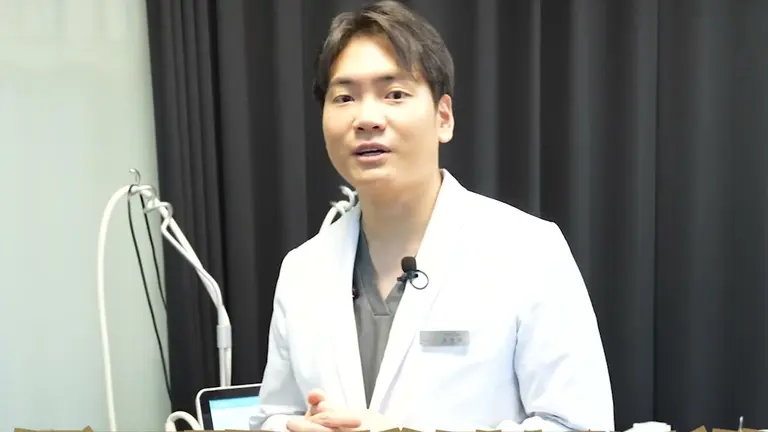
I'm Dr. Kim Yeonjin, director of the Gangnam clinic at UH CELL. Patients ask me fairly often what they should have been told before signing a consent form, sometimes after a consultation elsewhere left them unsure. Here is where that standard comes from and how I use it at my own consultations.
The Five Items the Law Requires
According to the text published by the National Law Information Center, Medical Act Article 24-2 requires a doctor performing surgery, a blood transfusion, or general anesthesia with a risk of serious harm to a patient's life or body to explain the following and obtain written consent before proceeding:
the diagnosis name of the condition that has occurred or may occur
the necessity, method, and content of the procedure
the name of the doctor giving the explanation and the name of the main doctor performing it
the sequelae or side effects that can be expected
the matters the patient must observe before and after the procedure
The same article states that a patient may request a copy of the signed consent form, and the doctor may not refuse without a justifiable reason. That detail matters in practice: a form you cannot take home is harder to review once you have left the clinic.
Does This Apply to a Skin Procedure?
Article 24-2 is written for procedures that carry a risk of serious harm, primarily surgery. A lifting treatment or a skin booster injection is not automatically the same category, so I would not tell you it applies word for word. What I can point to is the Korea Medical Dispute Mediation and Arbitration Agency, which in a published consultation case about the duty to explain consent before an injection procedure, guided the discussion using the same five items above. That is why I recommend treating this list as a consultation checklist regardless of which procedure you are considering, rather than assuming it only matters for major surgery.
What to Ask at the Consultation
At my clinic in Gangnam, I diagnose each patient's skin condition first and design the treatment plan around that diagnosis rather than starting from a fixed package. When you sit down for a consultation, three questions cover most of the five legal items directly:
"What is it about my skin that leads you to recommend this procedure?" This should surface the diagnosis and the necessity behind the recommendation, not just the name of a treatment.
"What downtime and side effects should I expect?" A specific answer names timeframes and symptoms. A vague answer names neither.
"What should I avoid before and after the procedure?" This is the item patients forget to ask, and the one most likely to affect how the results actually turn out.
It is also worth checking that the doctor's name written on the consent form matches the doctor who performs the procedure. I perform the procedures I recommend at my consultations myself, as the director of the Gangnam clinic.
FAQ
Does the consent form have to be on paper?
No. Medical Act Article 24-2 includes electronic documents within the definition of written consent, so an electronic form is a valid alternative to paper, not a lesser substitute.
What happens if the procedure method or the doctor changes after I sign?
The same article requires the doctor to notify the patient in writing of the reason and the content of the change whenever the agreed method or content, or the main doctor involved, changes after consent was given. That written notice is the specific document the law entitles you to receive.
Can a patient who doesn't speak Korean well still get a full explanation?
At the Gangnam clinic, Japanese, Chinese, and English-speaking interpreting staff are on site, so a consultation held in another language still covers the same five items in full. What to confirm at the booking stage is covered in our related article, Booking a Seoul Clinic With Japanese Support: What to Check.
Skin response and recovery time vary by individual. For an accurate diagnosis and treatment plan, please consult a doctor directly.


댓글 (0)
댓글 작성
댓글을 작성하려면 로그인이 필요합니다.
로그인하기