
Does an Interpreter Mean You Got Real Informed Consent?
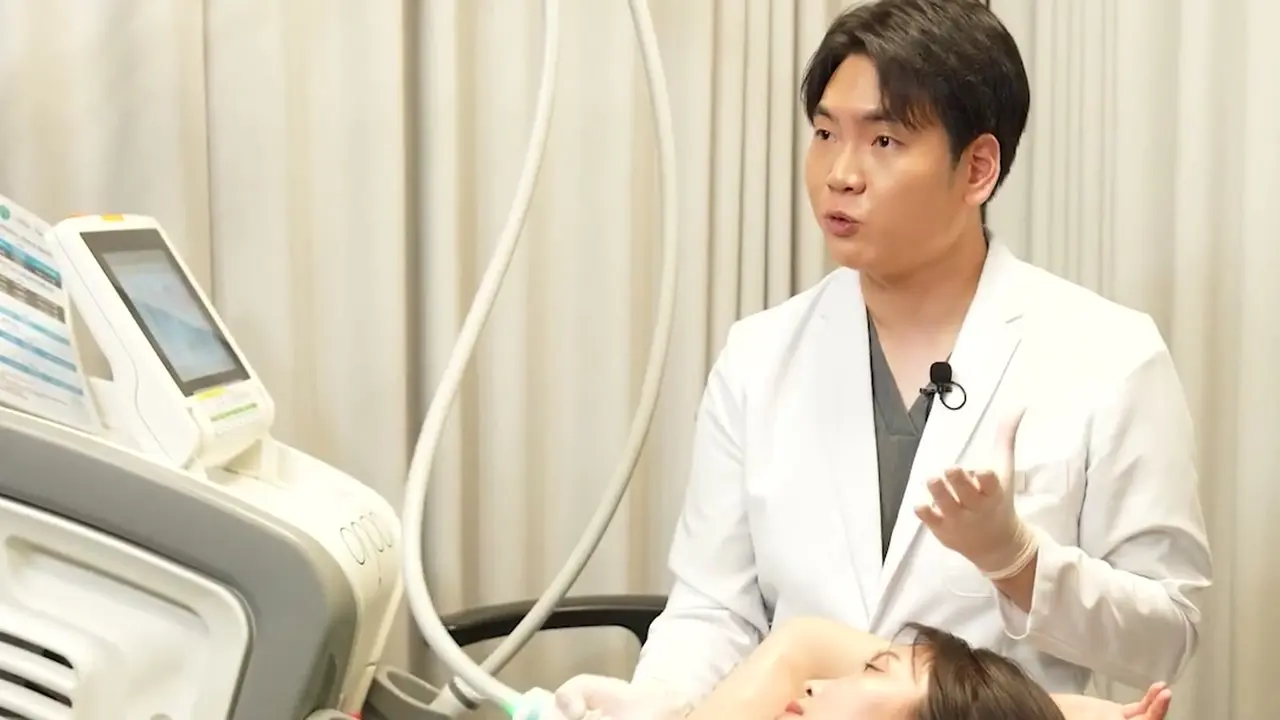
I don't consider informed consent complete just because a patient had an interpreter in the room. What actually matters is whether the explanation was built on a real skin diagnosis and carried through to specific downtime and risk information. If the language barrier is solved but the explanation stays shallow, the consent is a formality, not a real one.
Why Interpretation Alone Isn't the Standard
The ethics literature on cosmetic treatment is consistent on one point: because these procedures are elective rather than medically necessary, the bar for what counts as informed consent sits higher than it does for standard medical care. A recent review of aesthetic consent practice puts it plainly: cosmetic consent has to be more explicit than consent for medically necessary treatment, because the benefit is a matter of personal preference, not medical need. That means the patient has to understand not just what the treatment does, but what remains uncertain about the outcome.
This is exactly why I keep Japanese, Chinese, and English-speaking staff on site at our Gangnam location, not because translation itself is the finish line, but because their job is to carry my diagnosis across the language gap intact. An interpreter who only converts a treatment name from Korean to English hasn't done the job. The explanation has to travel with them.
Consent Starts With a Diagnosis, Not a Treatment Name
Before I talk about language, I identify the actual skin concern. Is this about elasticity, pigmentation, enlarged pores, or dehydration? Skip that step and you end up choosing a treatment category before you've confirmed what's wrong, and a patient with a pigmentation concern who receives a lifting-focused treatment will not see the change they came in expecting. Informed consent only starts to mean something once that diagnosis is in place. A consultation where only a treatment name gets translated, however fluently, is not a complete explanation no matter how smooth the interpretation sounds.
What Specific Downtime Disclosure Actually Looks Like
For a filler treatment, I tell patients upfront that swelling and bruising can last three to seven days depending on where the injection is placed. Lip filler tends to look most swollen the day after treatment and settle into a natural appearance closer to a week out. Thin skin or visible capillaries call for a lower intensity approach; pushing a treatment harder doesn't reliably produce a better result, it just raises the risk profile for that skin type. I also flag that sun protection is essential after most of these treatments, and that sauna use, hot yoga, intense exercise, and alcohol should be avoided for several days afterward. Skipping sun protection during that window doesn't just blunt the result, it can make pigmentation worse than before treatment.
This is the level of detail that separates a real explanation from a translated treatment menu. If a patient can't tell you how many days they'll look swollen, or what specifically to avoid during a trip, the consent process wasn't finished, regardless of what language it happened in.
The Consultation Risk Is Higher for Short-Stay Patients
Medical tourism research adds a layer that matters specifically for patients on a tight itinerary: reviews of cosmetic travel have reported complication rates running as high as 56% when consultation and treatment are compressed into an unusually short window, covering everything from infection to results that don't match what the patient expected. That figure isn't a reason to avoid treatment while traveling. It's a reason to insist that the consultation itself does its full job before anything is scheduled, especially when the whole visit runs two to seven days and there's no time to come back for a second opinion mid-trip.
Three Questions Worth Asking in Every Consultation
I tell patients on a short itinerary to lead with three questions before agreeing to anything. First: what is the single most important issue in my skin that needs to be addressed today? Second: what is the downtime for this specific treatment, and what will I look like on each of the next few days? Third: what should I avoid doing during the rest of my trip after this treatment? Whether the doctor jumps straight to recommending a treatment category, or actually examines the skin first and adjusts intensity accordingly, tends to predict how the result turns out. A consultation that can answer all three of these with specifics, not general reassurance, has done the real work of informed consent, independent of which language it happened in.
FAQ
Does having an interpreter present mean informed consent is handled?
Not on its own. An interpreter's job is to carry language across, but the quality of consent depends on whether a real diagnosis and specific downtime information came with it. An interpreter translating a treatment name with no diagnosis behind it is not a complete explanation.
How specific should downtime information be?
It should cover how many days visible swelling or bruising is expected to last, when the area starts to look natural, and what to avoid afterward, including sun exposure, sauna use, and alcohol. A general statement like "there may be some swelling" falls short of that standard.
What should I prepare before a consultation?
Identify your main concern in advance, whether it's elasticity, pigmentation, enlarged pores, or dehydration, so the consultation can get specific faster. I'd also suggest writing down the three questions above before you go in.


댓글 (0)
댓글 작성
댓글을 작성하려면 로그인이 필요합니다.
로그인하기