
The Aftercare Order That Protects Your Lifting Results
How long a lifting treatment holds up has less to do with the device used and more to do with what happens in the two weeks after. In consultations, I hear the same question almost every day: the treatment went well, so what now? The answer I give is always the same. What you avoid in the first two weeks matters more than what you add.
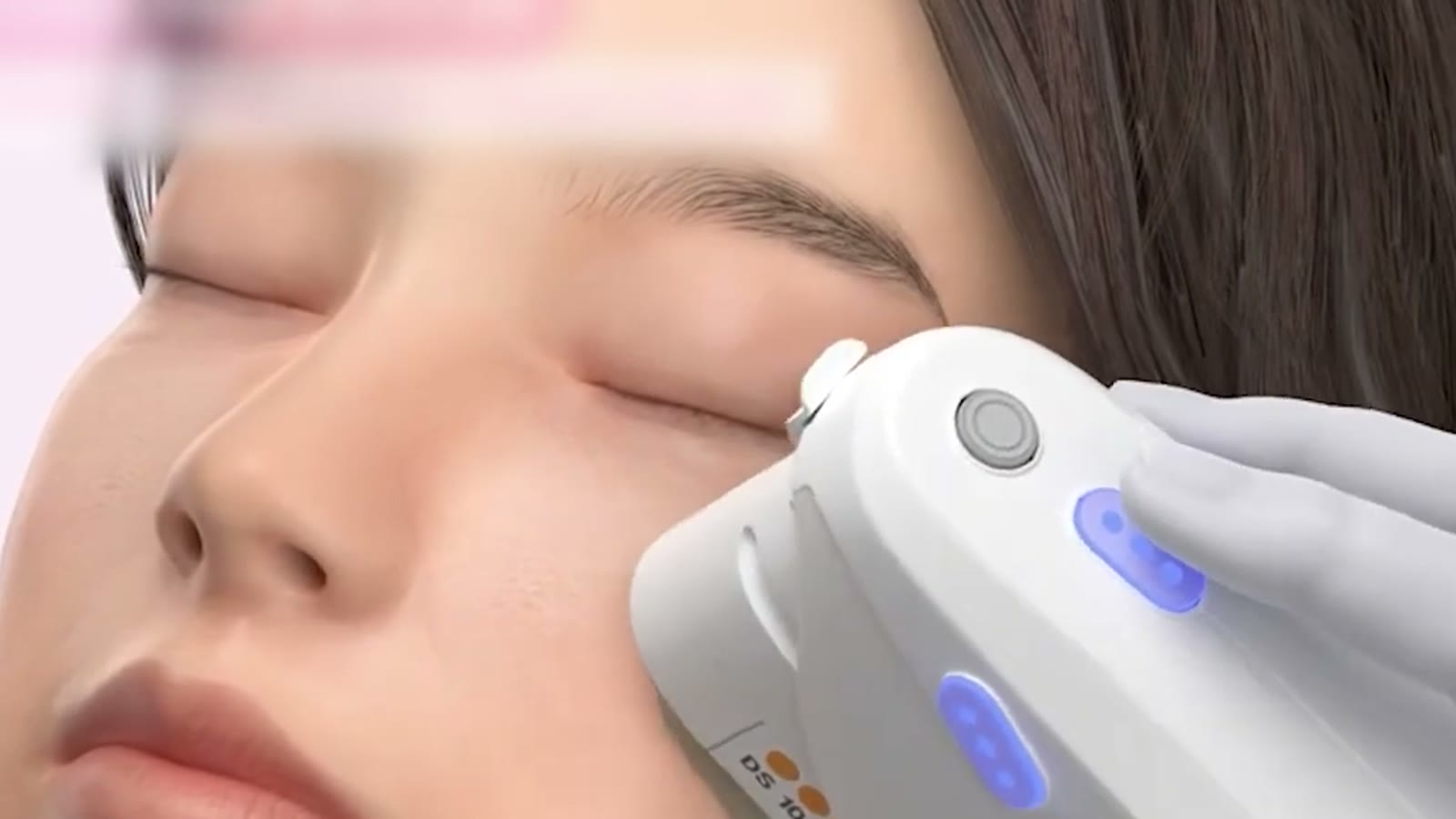
Why the first two weeks decide the outcome
Lifting treatments work by delivering heat or ultrasound energy into the deeper layers of skin to trigger a collagen rebuilding response. That process leaves the treated skin in a short window of active inflammation. If that inflamed skin is exposed to UV light during this window, melanocytes can become overactive and produce new pigment, a reaction dermatologists call post-inflammatory hyperpigmentation, or PIH.
This is not a minor footnote for patients with East Asian skin. Research on energy-based treatments in Fitzpatrick skin types III through V, which includes most East Asian skin tones, has found a meaningfully higher rate of PIH compared with lighter skin types, because higher baseline melanin content makes melanocytes more reactive to inflammatory triggers. In other words, the risk is not about whether the lifting treatment worked. It is about whether the recovery window was managed well enough to prevent a new, unrelated pigment problem from appearing on top of good results.
Sun protection comes before moisturizer, not after
The Skin Cancer Foundation notes that most ultraviolet rays can pass through standard window glass, so working or resting near a window still counts as sun exposure even when you never step outside. That detail matters directly after a lifting treatment, because "I was indoors all day" is not the same as "my skin had no UV exposure." Reapplying a gentle, broad-spectrum sunscreen through the day, including indoors near windows, is the first line of defense against new pigmentation while treated skin is still inflamed.
Because freshly treated skin is more reactive, the way sunscreen is applied matters too. Pressing it on in light layers, rather than rubbing it in with friction, reduces added irritation during the sensitive window. Moisturizer comes next, not first. Skin that is allowed to dry out tends to stay inflamed longer, and prolonged inflammation is itself a driver of pigment risk, so a simple, low-irritation moisturizer to support the skin barrier is the second priority once sun protection is in place.
Hold off on active ingredients until redness fully resolves
High-strength vitamin C, retinol, and AHA or BHA exfoliating acids are useful in an ordinary skincare routine, but they are not appropriate on skin that is still red or sensitive from a recent lifting treatment. Introducing an active ingredient while inflammation is still present can extend that inflammation rather than resolve it. The practical rule I give patients is to wait until redness has fully settled before reintroducing any active ingredient, and to keep the routine limited to sunscreen and a gentle moisturizer until then.
How we design the recovery environment, not just the treatment
We spend as much time on recovery planning as we do on the treatment itself. Our Gangnam and Seocho locations are each built inside a UH FLAT-affiliated hotel building, which means a patient who stays on-site the day of treatment can use an oxygen chamber and a vitamin IV drip in the same building without needing to travel anywhere afterward. For a patient on a short trip to Seoul, not having to factor in transit time between a clinic and a hotel is a real difference in how the first 24 hours of recovery actually go. We have written separately about matching recovery timing to treatment intensity for patients planning a short stay.
Signs that mean it is time to come back in
Most redness and warmth from a lifting treatment settle within a short window and improve steadily day by day. That is different from redness or warmth that has not eased after two weeks, a mark that is getting darker rather than fading, or any discharge from the treated area. None of these should be managed with more skincare products at home. They are a reason to be reevaluated by the physician who treated you, because the cause and the right response can differ from case to case. Lifting results build gradually, and the same patience applies to reading recovery signals: it is worth checking early rather than waiting to see if something resolves on its own.
FAQ
How soon after a lifting treatment can I wear makeup again?
While the skin is still red or sensitive, it is best to minimize color cosmetics and rely mainly on sunscreen. Once redness has settled, makeup can typically be reintroduced without added risk.
When can I go back to a sauna or steam room after treatment?
Heat exposure can extend inflammation in freshly treated skin, so it is safer to avoid saunas, steam rooms, and similarly hot environments until swelling and warmth in the treated area have fully resolved.
What if pigmentation shows up even with careful aftercare?
Come in for an evaluation rather than treating it yourself. The right response depends on what is actually causing the pigment change, and adding more brightening products on your own before that is determined is not something we recommend.
Do I need to change my sunscreen routine specifically because I am recovering from a procedure?
The core habit does not change, generous and frequent reapplication of broad-spectrum sunscreen, but the application technique should. Press it on rather than rubbing it in while the skin is still sensitive, and prioritize reapplication over adding other actives until redness has cleared.


댓글 (0)
댓글 작성
댓글을 작성하려면 로그인이 필요합니다.
로그인하기