
The device on the treatment sheet decides less than people think. What decides more is how the first few days after the procedure are spent. On a short trip, recovery is not a nice-to-have. It is a risk-management question, and it belongs earlier in the decision than most people place it.
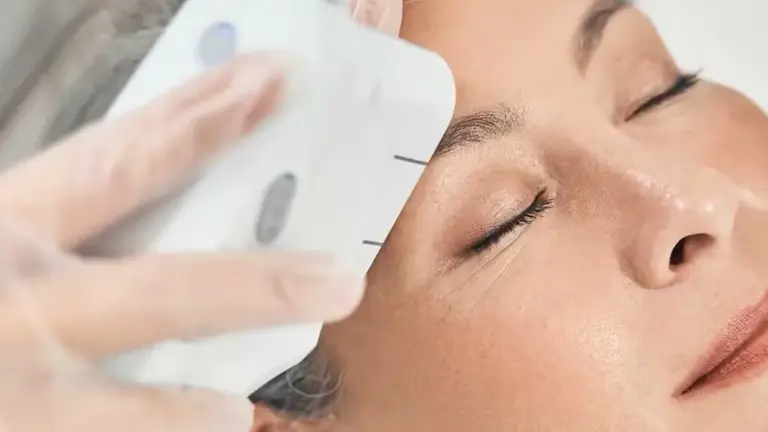
Why Recovery Comes Before the Device Question
South Korea's Ministry of Health and Welfare reported that 2.01 million foreign patients visited the country in 2025, the first time the annual figure passed two million, and that dermatology accounted for 62.9 percent of those visits — roughly 1.313 million patients. As the number of visitors has grown, so has the volume of information available for choosing a clinic. Most of that information still centers on the device brand, the physician's résumé, or the price tag. For a patient working with a four-to-seven-day window, the more consequential question is what happens after the treatment, not during it. Swelling and heat peak in the days immediately following a lifting procedure, and where and how that swelling is managed shapes both how a patient feels before flying home and how the treatment ultimately settles.
If a patient is flying out in five days, the treatment plan and the recovery plan are the same plan — they cannot be designed separately.
One Physical Path From Diagnosis to Recovery
Our two locations sit inside UH FLAT SIGNATURE Gangnam and UH FLAT The Seocho. They are not partner clinics housed in a separate building down the street — they operate as an on-site facility inside those buildings. That distinction matters more than it sounds. UHC hotel guests can choose one complimentary benefit: a 30-minute oxygen chamber session or a vitamin IV drip. If both are used, the vitamin IV drip costs KRW 55,000. Treatments themselves take place in private treatment rooms. At the Gangnam location, Japanese-, Chinese-, and English-speaking interpreting staff are on site, so consultation and recovery guidance can continue in the patient's own language from diagnosis through discharge instructions.
For a patient on a short visit, the value of this is not comfort for its own sake. It is one less variable to manage while the body is doing the most demanding part of its work. A patient does not have to plan a route to a separate recovery service, translate their own symptoms to a new provider, or lose recovery hours to a commute.
What to Confirm Before You Book
- Does the same physician handle both the diagnosis and the procedure, or are these split between different providers?
- Is post-treatment recovery care — an oxygen chamber, an IV drip, or equivalent — available on the same day as the procedure, without a separate trip?
- Does language support continue through the diagnosis and treatment-design stage, not only at check-in?
These three questions matter more for a short-stay patient than any single device name, because they determine whether the days immediately after treatment work for the body or against the itinerary.
We laid out a longer version of this same argument — that recovery logistics deserve a first look before treatment choice — in an earlier piece on why recovery flow should be checked before a Seoul lifting procedure.
FAQ
Why does recovery infrastructure matter more than the device itself?
The device accounts for only part of the outcome. The rest comes from how the first few days of swelling and inflammation are managed. On a four-to-seven-day trip, even travel time between appointments cuts into the hours the body needs for recovery.
Is the complimentary oxygen chamber and IV drip available to everyone?
UHC hotel guests can choose one complimentary benefit: a 30-minute oxygen chamber session or a vitamin IV drip. If both are used, the vitamin IV drip costs KRW 55,000. If you are not staying at the hotel, this needs to be confirmed separately before booking.

댓글 (0)
댓글 작성
댓글을 작성하려면 로그인이 필요합니다.
로그인하기