
What you put on your skin after a laser, lifting, or injectable procedure matters less than the environment you put your skin in during the first hours afterward. I tell patients this before I tell them which serum to buy, because the sequence itself is the safeguard: skin that isn't given the right recovery conditions early on won't respond well to any product layered on top of it later.
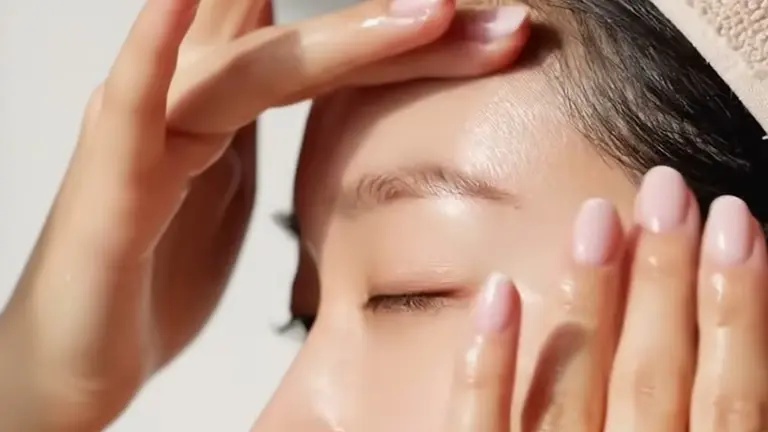
Why the First Hours Decide More Than the First Product
Right after a laser, radiofrequency, or microneedling procedure, the skin's barrier is temporarily compromised — it loses water faster than usual and becomes more reactive to friction, heat, and UV exposure. This isn't a flaw in the treatment; it's an expected part of how these devices work, since most of them create controlled micro-injury to trigger the skin's own repair process. Research tracking transepidermal water loss — the technical measure of how fast skin loses moisture to the air — has found that this loss spikes within the first 24 hours after a procedure and typically peaks between 24 and 48 hours before beginning to normalize.
That window is why I ask patients to think about recovery conditions before they think about product choice. A rich cream applied onto skin that's still losing water rapidly and sitting in a hot, humid, or sun-exposed environment will do less than the same cream applied in a calm, temperature-controlled space where the skin isn't fighting additional stress. Environment first, ingredients second — not the other way around.
What Actually Drives Post-Procedure Pigmentation Risk
Post-inflammatory hyperpigmentation is the most common adverse effect following laser and energy-device treatments, and it shows up more frequently in skin with higher epidermal melanin content — a pattern documented in Asian patient populations specifically. This is a relevant detail for patients traveling to Seoul for treatment, since it means pigmentation risk isn't a minor footnote; it's a primary variable to manage from the moment the procedure ends, not a concern to address only if a dark patch appears weeks later.
Here's where I want to correct a common assumption: sunscreen alone is not enough. A 2026 systematic review and network meta-analysis in Lasers in Surgery and Medicine compared sunscreen monotherapy against other preventive approaches — including topical corticosteroids, vasoconstrictors, and tranexamic acid — and found that sunscreen alone did not offer a significant advantage over no treatment at all in reducing pigmentation incidence. Interventions that combined anti-inflammatory management with pigment-control agents performed meaningfully better. In practice, that means the standard advice to "just wear SPF" undersells what actual prevention requires: reducing inflammation at the treatment site, avoiding friction and heat, and layering in agents like tranexamic acid or vitamin C under guidance, rather than treating sunscreen as a complete strategy on its own.
Recovery Access Changes What's Practical, Not What's Necessary
None of the above is complicated in principle. What's hard is executing it consistently in the hours right after treatment, especially for a patient on a short trip to Seoul who has sightseeing, meals, or a flight on the schedule. This is the part of aftercare that depends on logistics as much as on products.
Our Gangnam and Seocho locations operate as on-site amenities inside UHC group hotels rather than as separate buildings a patient has to travel to afterward. UHC hotel guests can choose one complimentary benefit: a 30-minute oxygen chamber session or a vitamin IV drip. If both are used, the vitamin IV drip costs KRW 55,000. For a multi-day trip built around a hotel stay, closing that gap between "procedure ends" and "recovery begins" is a logistical detail, not a luxury add-on — it's what keeps the first 24 hours aligned with what the skin actually needs.
What to Check Before You Leave the Clinic
- Ask what your skin's barrier status is right after treatment — not generically, but for the specific device and depth used on you that day.
- Confirm whether your aftercare plan includes anything beyond sunscreen for pigmentation prevention, especially if you have a history of dark spots or higher baseline pigmentation.
- Ask what to avoid in the first 24–48 hours: direct sun, saunas, steam, high heat, and vigorous exercise all increase strain on a barrier that's already working to recover.
- Confirm your product order — soothing and barrier-supporting first, active ingredients like brightening or exfoliating agents only once the skin has stabilized.
- If you're on a short trip, ask concretely where you'll be immediately after treatment and how far that is from where you're staying.
FAQ
Is post-procedure recovery care necessary, or just nice to have?
It's necessary. The skin's barrier is measurably more vulnerable in the first 24 to 48 hours after most laser, lifting, or microneedling procedures, and that window is also when pigmentation risk is highest. Skipping structured aftercare during that period doesn't just slow results — it raises the chance of complications like prolonged redness or dark spots.
If I already wear sunscreen every day, do I need anything else after a procedure?
Yes. Research comparing prevention strategies after laser treatments found that sunscreen alone did not meaningfully reduce pigmentation risk compared to no intervention. Effective prevention pairs sun protection with inflammation control and, in many cases, pigment-targeting agents like tranexamic acid or vitamin C used under a clinician's guidance.
How soon after treatment can I go back to normal activities like a sauna or workout?
I generally ask patients to avoid saunas, steam rooms, and activities that raise skin temperature or induce heavy perspiration for at least the first 24 to 48 hours, since heat and sweat both add strain to a barrier that's still recovering. The exact timeline depends on the specific procedure and depth, which is why this should be confirmed with your treating doctor before you leave.


댓글 (0)
댓글 작성
댓글을 작성하려면 로그인이 필요합니다.
로그인하기