
# Why Downtime Depends on the First 48 Hours, Not the Procedure
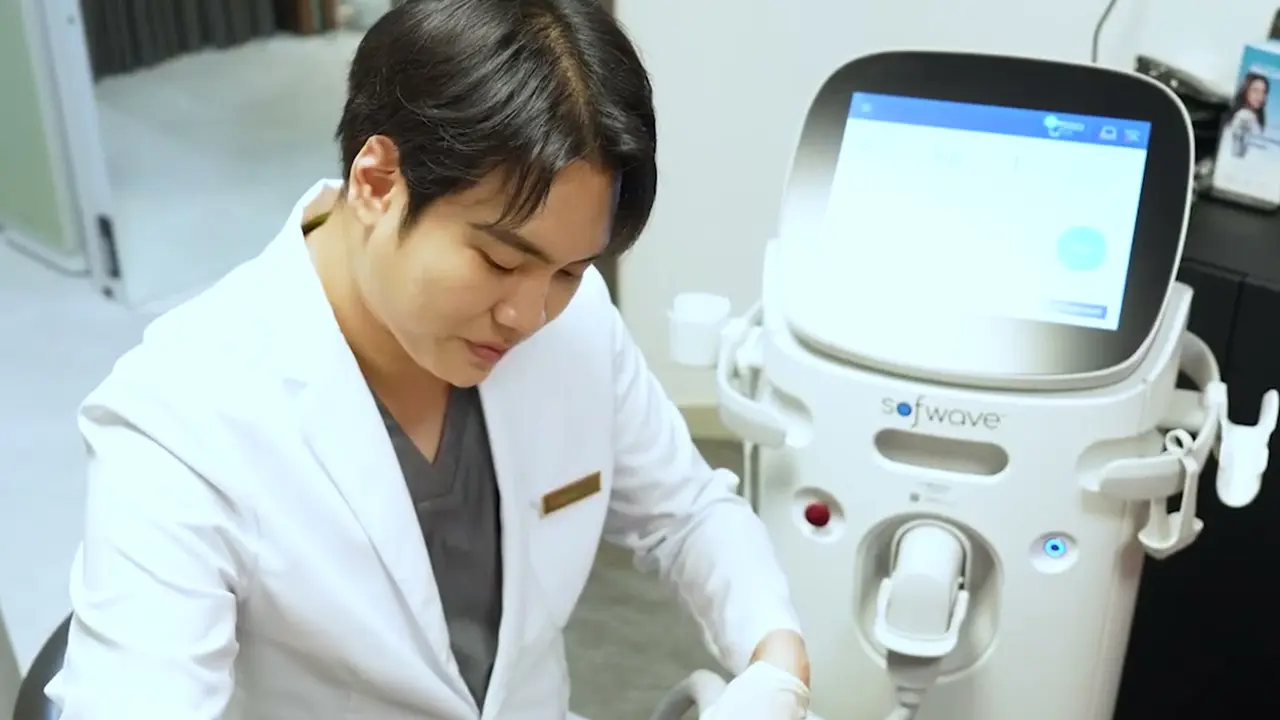
What shortens downtime after a skin procedure is not the device we use. It is where a patient spends the first 48 hours afterward. When I consult with patients who are in Seoul on a short trip, this is the first thing I ask about, because how those hours are managed decides whether the rest of the trip stays on schedule.
Recovery happens in three windows, and the first one is the one that matters most
I think about recovery in three stages. The first 48 hours is the observation window, when normal swelling and redness need to be told apart from the rare complication. After that comes early recovery, which runs a few weeks. Full recovery, where the tissue has finished remodeling, takes months. The first window gets the least attention from patients because it looks like the mildest part of the process, but it is the one where a small decision, like whether to sit in a sauna that evening, changes how the rest of the timeline plays out. Looking fine on the outside and being finished healing on the inside are two different points in time, and confusing them is where most avoidable setbacks start.
Even short-downtime lifting treatments do not skip this window
Ultherapy PRIME and Thermage FLX are lifting treatments we perform specifically because their visible downtime is short. Most patients see the redness and light swelling settle within a day or two. But "short downtime" describes the visible surface, not the underlying tissue response, and that distinction matters in the first 48 hours specifically. Dermatology aftercare guidance for energy-based and laser treatments consistently identifies the same risk during this window: heat exposure from a sauna, a hot bath, or strenuous exercise can prolong redness and swelling because it drives more blood flow and fluid into tissue that is already inflamed from the treatment itself. Aftercare protocols published by U.S. dermatology practices generally advise avoiding hot showers, saunas, and intense exercise for the first 24 to 72 hours after laser or energy-based treatments, specifically because heat and sweating can increase swelling and lead to irritation. That guidance is not treatment-specific to any one device. It is a tissue-response principle: a treated area that is still in its acute inflammatory phase reacts to added heat by staying inflamed longer, regardless of which energy source caused the initial reaction.
For a patient with a week or less in Seoul, this is the practical stakes: an extra day of visible swelling because of a sauna visit the same evening is a day subtracted from sightseeing, shopping, or a flight home looking rested.
What we do differently for these first 48 hours
At both our Gangnam and Seocho locations, we built the recovery step directly into how the building works, not as an add-on service. Our clinics operate inside UHC group hotels, on the treatment floors of the same building as the guest rooms, rather than in a separate building with a referral arrangement to a nearby hotel. For a patient in the observation window, that means getting from the treatment room to a place to rest does not involve traffic, a taxi, or navigating an unfamiliar subway system in the hours right after a procedure.
UHC hotel guests can choose one complimentary benefit: a 30-minute oxygen chamber session or a vitamin IV drip. If both are used, the vitamin IV drip costs KRW 55,000. The mechanism behind hyperbaric oxygen is well documented in the surgical wound-healing literature: a structured narrative review published in Cureus describes how hyperbaric oxygen therapy raises plasma-dissolved oxygen levels, which reach tissue independent of red blood cell transport, and how this supports angiogenesis, fibroblast activity, and a measurable reduction in local inflammatory response. That mechanism is why we position the chamber as a tool for the acute swelling phase rather than a treatment in itself. It supports what the body is already doing during the observation window; it does not replace the window.
Vitamin IV delivery bypasses the digestive system, so the components reach circulation faster than an oral supplement would. We do not present this as a requirement after every procedure. It is one option we make available when a patient wants to shorten the visible recovery period during a short stay, and we decide with each patient whether it is appropriate to their treatment and health history rather than offering it as a blanket add-on.
What this means for planning a short-stay trip
If a trip is built around two or three days for a procedure and its aftermath, the planning question is not which device has the shortest published downtime. It is where those first 48 hours will actually be spent, and whether heat, distance, or a rushed schedule will be working against the recovery the treatment needs. A same-building recovery setup does not change what the tissue has to do. It changes how much friction stands between the patient and the conditions that let that process finish on schedule.
FAQ
What is the first thing to check to reduce downtime?
Check whether the environment for the first 48 hours after treatment is free of heat exposure, meaning no sauna, hot bath, or intense exercise during that window, since dermatology aftercare guidance consistently ties heat exposure in this period to longer-lasting swelling and redness.
Can makeup be applied the same day as Ultherapy or Thermage?
In most cases, yes, though we recommend gentle, low-irritation products rather than a full routine, since the treated skin is still in its early inflammatory phase.
Are the hyperbaric oxygen chamber and vitamin IV drip necessary after every procedure?
No. We treat them as optional supports for patients who want to shorten the visible recovery period during a short stay, and we assess suitability case by case rather than recommending them for everyone.
Does a shorter visible downtime mean the tissue has fully recovered?
No. Visible symptoms settling within a day or two describes the surface, not the full remodeling process, which continues over the following weeks even after redness and swelling resolve.
If a short Seoul itinerary includes a lifting or skin booster procedure, we recommend planning the recovery window into the schedule from the start rather than treating it as an afterthought.



댓글 (0)
댓글 작성
댓글을 작성하려면 로그인이 필요합니다.
로그인하기