
Diagnosis Before Treatment Menu: How We Check It in Gangnam
When someone books a consultation with us, the first thing we look at is not which device or injectable they read about online. It is what their skin is actually doing right now. We start every visit with a skin assessment before any treatment name enters the conversation, because the sequence itself, diagnosis first, then a treatment plan built around it, is what determines whether the result and the recovery can be predicted at all.
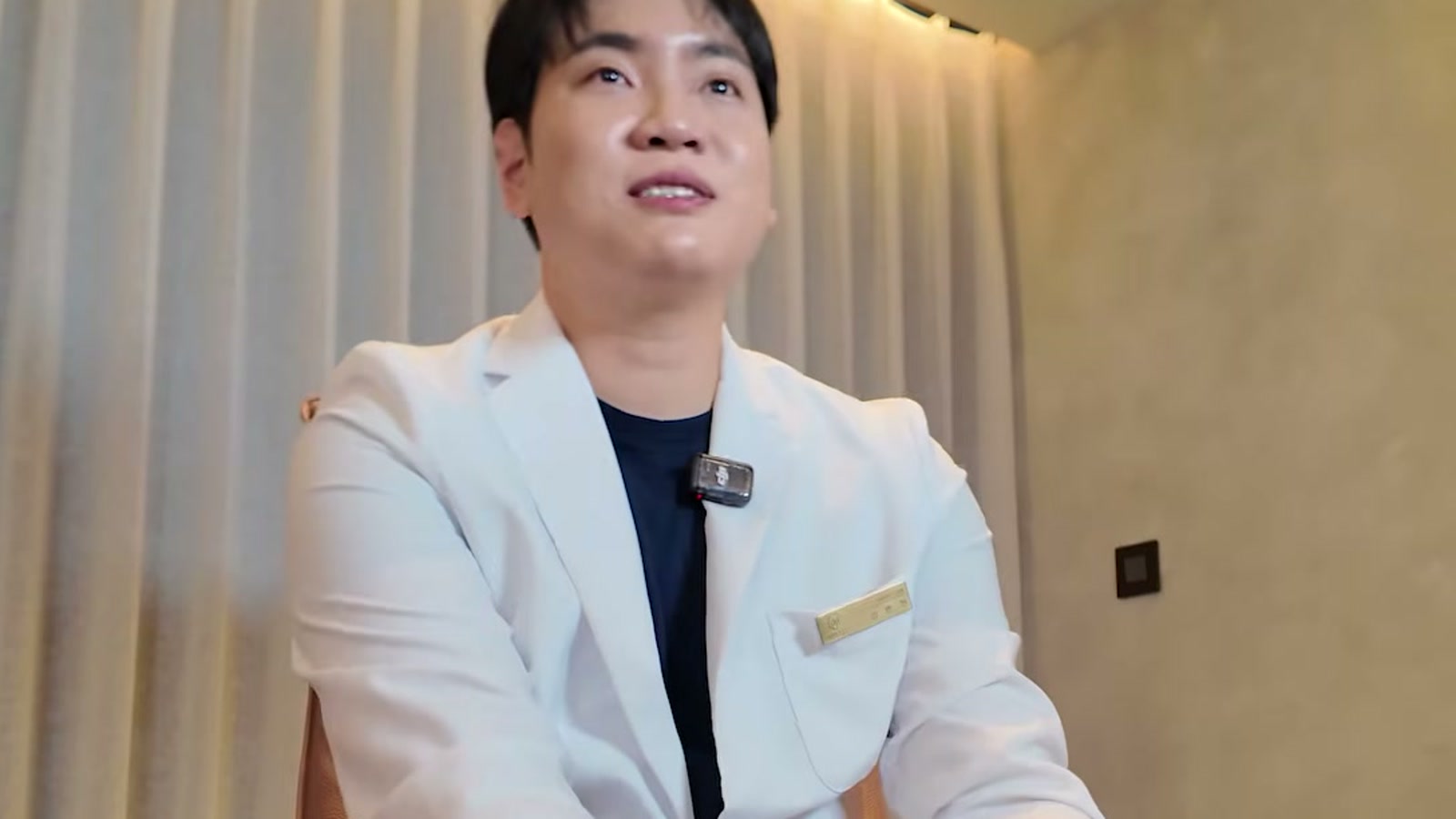
The order of the consultation is the real signal
A lot of people search for a specific procedure name before they search for a clinic. That is a reasonable starting point, but it is not the right basis for choosing where to go. What matters more is whether the consultation begins with an evaluation of skin condition, or whether it begins with a menu.
We use five checks to describe what a diagnosis-first consultation looks like in practice.
- Does the consultation start with a skin assessment, not a specific device or product name
- Does the diagnosis actually change the treatment design, meaning depth, volume, and interval, and not just the choice of which service to book
- Is the doctor who runs the consultation the same doctor who performs the treatment
- Is recovery planning built into the treatment design itself, rather than handled as an afterthought
- Is there a clear path from diagnosis through treatment to recovery that fits a short travel window
If even one of these is missing, there is a reasonable chance the treatment was decided before the diagnosis happened, and the diagnosis is mostly a formality.
How this works inside our clinic
Our Gangnam location operates inside the UH FLAT SIGNATURE Gangnam building. A patient completes a skin assessment in the consultation room, then moves to a private treatment room in the same building for the procedure itself. If recovery care is part of the plan, that also happens without leaving the building. The oxygen chamber and vitamin IV drip we offer are provided free to guests staying at the hotel, and because the recovery step sits inside the same structure as the consultation and treatment rooms, a patient can use it on the day of the procedure without arranging separate transportation. For anyone working with a short stay in Seoul, that sequence is not a convenience add-on. It changes how the treatment itself can be planned, because recovery time does not have to compete with travel time.
Why continuity between consultation and treatment matters
Whether the doctor who diagnoses is the doctor who treats is, in our view, the clearest test of whether a diagnosis is actually shaping the procedure or just checking a box before a pre-decided treatment happens anyway. At our Gangnam location, the representative director completed graduate study at Seoul National University and trained as a resident physician at Seoul National University Hospital. He holds Allergan faculty status for filler and Botox injection and is recognized as a Key Doctor for Potenza and Ultherapy Z. He also runs the consultation himself rather than handing the treatment to a different physician after the initial assessment.
Language is the other continuity issue that shows up during a diagnosis-first consultation, because a patient cannot describe skin history or concerns accurately through a broken translation. Our Gangnam location has Japanese, Chinese, and English-speaking interpreting staff on site, so the diagnostic conversation happens without a language gap between the patient and the physician doing the assessment.
Why this sequence is becoming more relevant now
According to the 2025 Foreign Patient Attraction Performance report released by South Korea's Ministry of Health and Welfare, dermatology accounted for 62.9 percent of all foreign patient visits to Korean medical institutions in 2025, the largest share of any medical specialty. As more patients travel to Korea for dermatology care within a fixed and often short window, how accurately a consultation reads the skin at the outset, and how directly that reading shapes the treatment plan, becomes the variable that separates a well-managed visit from a rushed one.
That is the practical reason we keep coming back to this sequence with every patient. A short stay does not leave room to discover mid-treatment that the plan does not fit the skin. The diagnosis has to do that work up front. For the fuller walkthrough of how we structure a first visit end to end, our Gangnam consultation guide covers the decision points in more depth.
FAQ
Can I get a diagnosis without committing to treatment on the same visit?
Yes. We structure the consultation so that the diagnosis gives the patient the information to decide whether and when to proceed, rather than assuming treatment will follow immediately.
Is the recovery care only available to patients who receive a treatment?
The oxygen chamber and vitamin IV drip are recovery care offered to guests staying at the building, and we walk through the recovery schedule as part of treatment planning when relevant.
Could the doctor who does my consultation be different from the doctor who treats me?
At our Gangnam location, the representative director who conducts the consultation is the same physician who performs the treatment.
How long does a diagnosis-first consultation usually take?
The length depends on how many concerns are being assessed, but the assessment itself is completed before any treatment specifics are discussed, so the visit is planned around that order rather than a fixed time slot.


댓글 (0)
댓글 작성
댓글을 작성하려면 로그인이 필요합니다.
로그인하기